SEARCH

Results for yoga studies

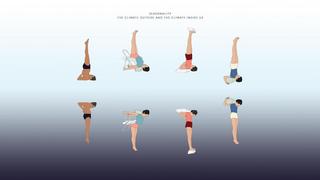
Seasonality: the climate outside and the climate inside us

This work presents four yoga practice sequences inspired by the principle of seasonality, exploring the dynamic relationship between the “climate outside” and the “climate inside” of the human body. Drawing on the yogic concept of pariṇāma—the continuous transformation of prakṛti—the sequences aim to support the body’s capacity for adaptation and physiological balance. Each sequence corresponds to one season (Fall, Winter, Spring, and Summer) and focuses on a specific aspect of embodied health. The practices are offered as reflective tools to cultivate awareness, self-regulation, and harmony between the individual and the changing environment.

Is Yoga a science? - Part 1

You have probably already heard the expressions “Yoga is a Science” or “The Science of Yoga”. Indeed, both are pretty common sayings in mainstream yoga circles which seasoned practitioners, teachers and insiders just take for granted. But, is it actually so?

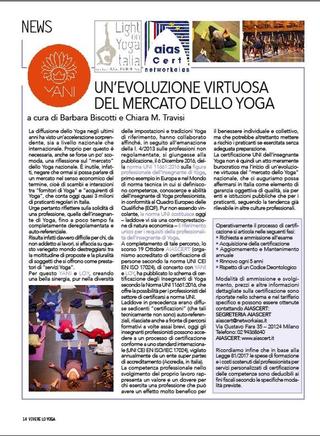
A virtuous evolution of the yoga market.

The spread of yoga in recent years has seen an astonishing acceleration, both nationally and internationally, culminating, emblematically, in United Nations General Assembly Resolution 69/31.

Breathing de-automatization: proper timing and proper results

"The body, the limbs, the psyche, the organs of action and sensory ones are very 'ours'.
Breathing is not as much "ours". However, breathing is more than anything else 'for us'."
Prashant Iyengar, "Pranayama: a Classical and Traditional Approach"

Movement, action and mirrow neurons

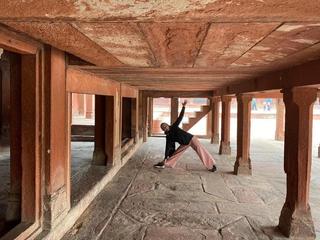
“Action is movement with intelligence. The world is filled with movement. What the world needs is more conscious movement, more action.” B.K.S. Iyengar

Yoga is an open architecture

Precision in Iyengar yoga practice must not be confused for dogmatism. In fact, we find exact the opposite is true: Iyengar yoga, and yoga in general, is an open architecture.